Soult Blog
Guides for Modern Indian Families
on Legacy & Estate Planning
Practical advice on digital legacy, estate planning, financial organisation, and preserving family memories.

Can Soult Help You Conceal Undisclosed Assets?
No — and that's by design. Privacy protects your information; it does not put you above the law. Why Soult is a vault for continuity, not concealment.
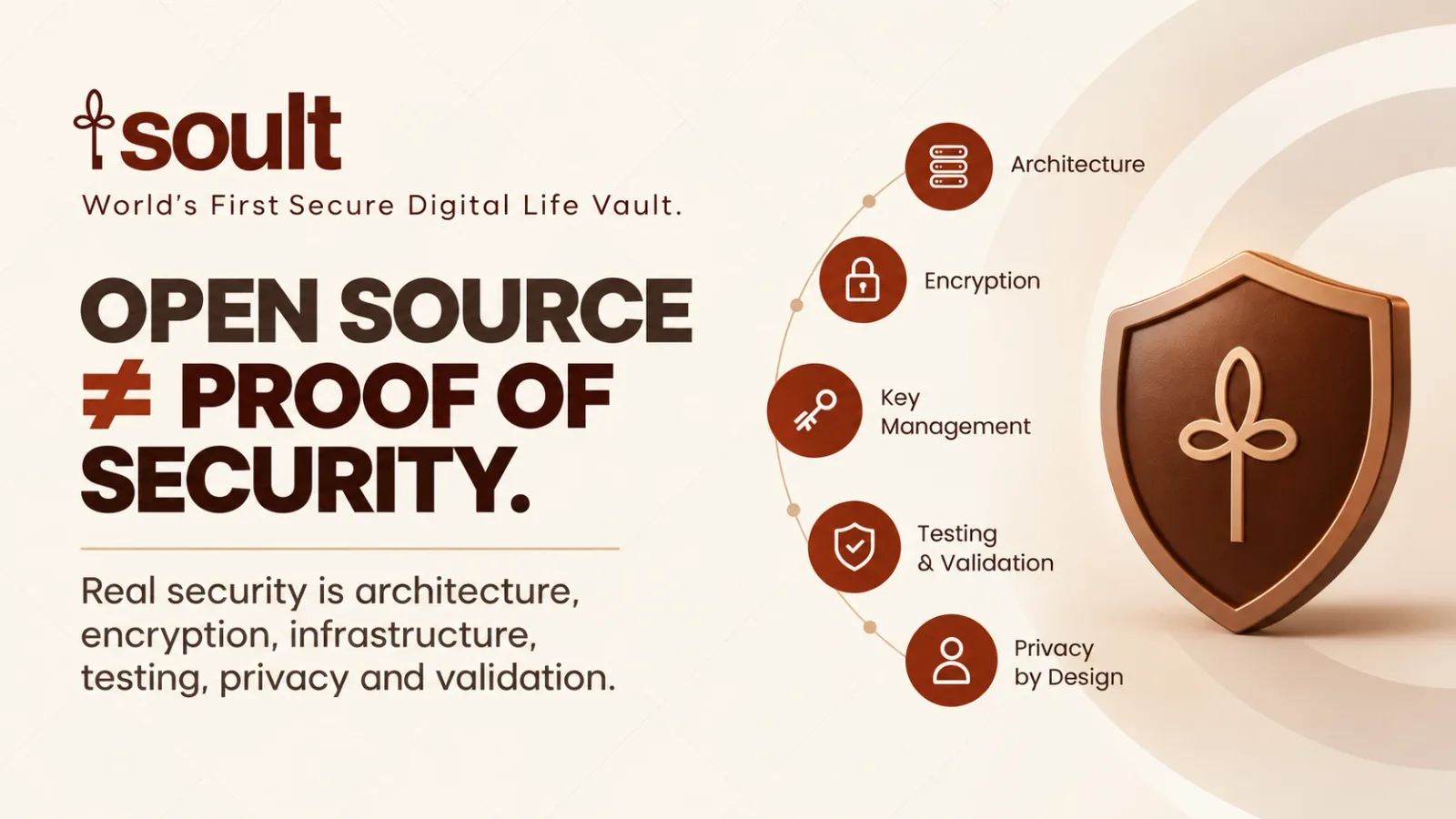
Open Source ≠ Proof of Security: How Should You Judge a Digital Vault?
Open source can provide valuable transparency. But protecting a digital life requires architecture, encryption, key management, infrastructure, recovery, testing and governance to work together.

“Isn’t this just DigiLocker?” — Most people have never been told what DigiLocker actually is
DigiLocker is a way for institutions to hand you a certified document. Soult is a way for you to hand your life to your family. The difference is not features. It is direction.
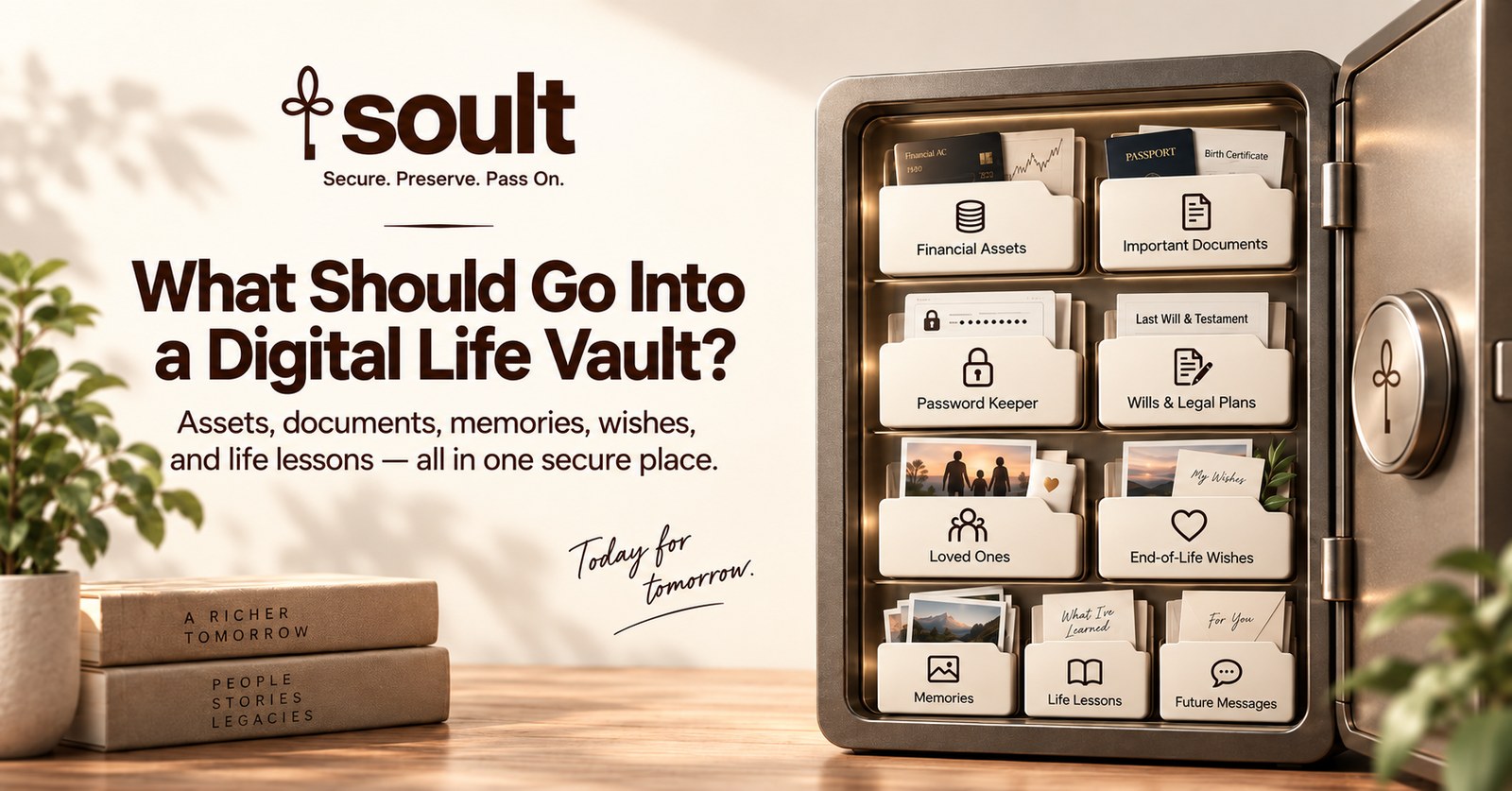
What Should Go Into a Digital Life Vault?
A Digital Life Vault should do far more than store files. Here is what actually belongs in one — your assets, your documents, the people around you, your wishes, your memories and the lessons you want to pass on.
How to Claim Unclaimed Bank Deposits in India — and Make Sure Your Family Never Has To
Nearly ₹1 lakh crore sits unclaimed in Indian banks — most of it simply forgotten. Here's how to trace and claim old deposits through RBI's UDGAM portal and the DEA Fund, and how to make sure your own family never has to.
The Privacy Myth: Can Your Email Provider, Your Bank, or Soult Read Your Data?
The answer is not simply yes or no — it depends on who holds the keys. A plain-English tour of the four security models behind everything you use, and why Soult deliberately runs two of them instead of pretending one size fits everything.
A Vault Inside Your Vault: How Soult Protects the Passwords Even We Cannot Read
Your family must be able to get into your vault. Some things inside it nobody should be able to open. Most products pick one. Here is how Soult does both — and why adding an Advanced password needs no password at all.
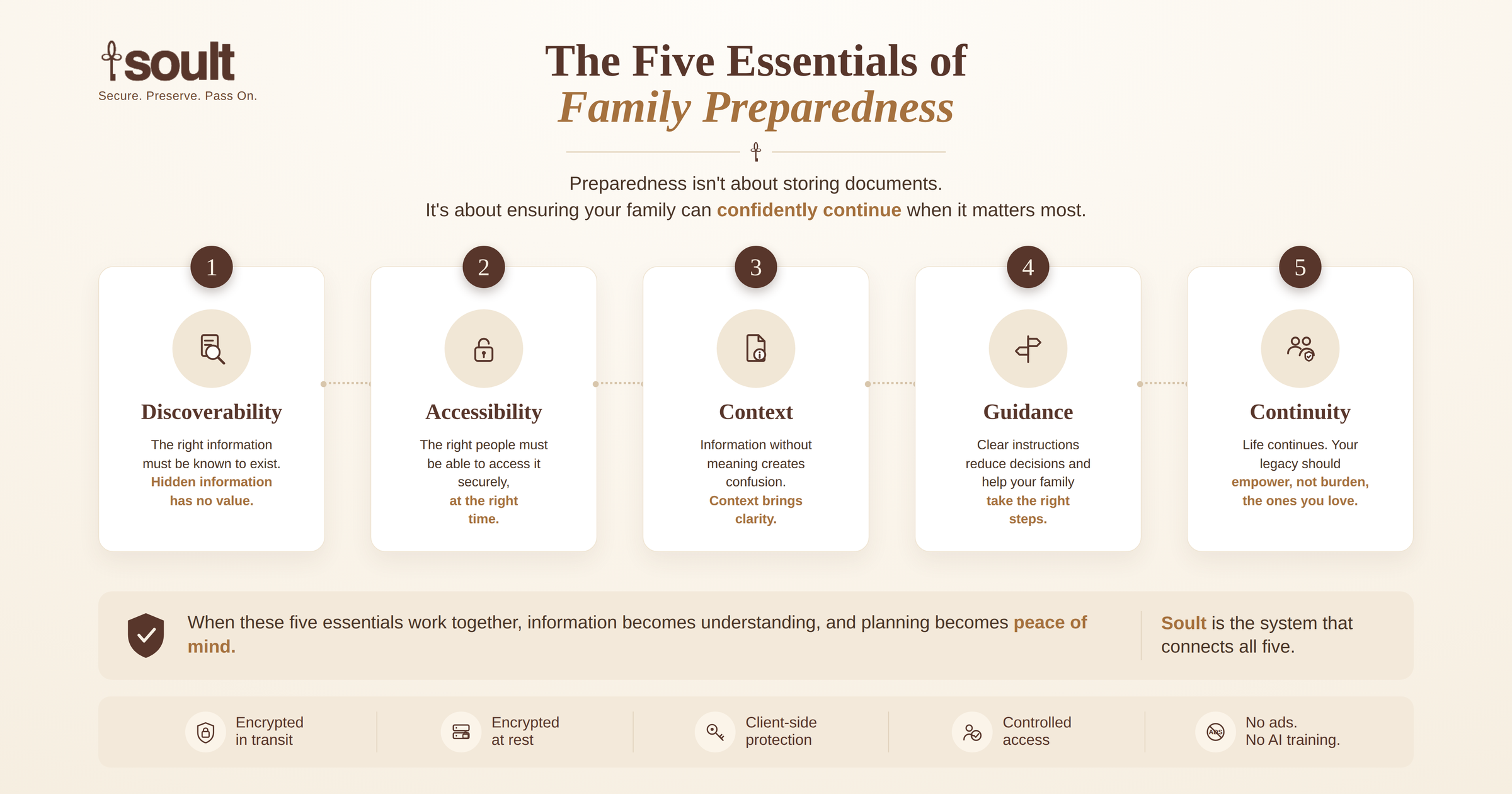
Family Preparedness Isn’t a Document. It’s a System.
You’ve added nominees, filed the papers, signed the will. But preparedness isn’t about storing documents — it’s about whether your family could continue with clarity if you weren’t there to explain everything.
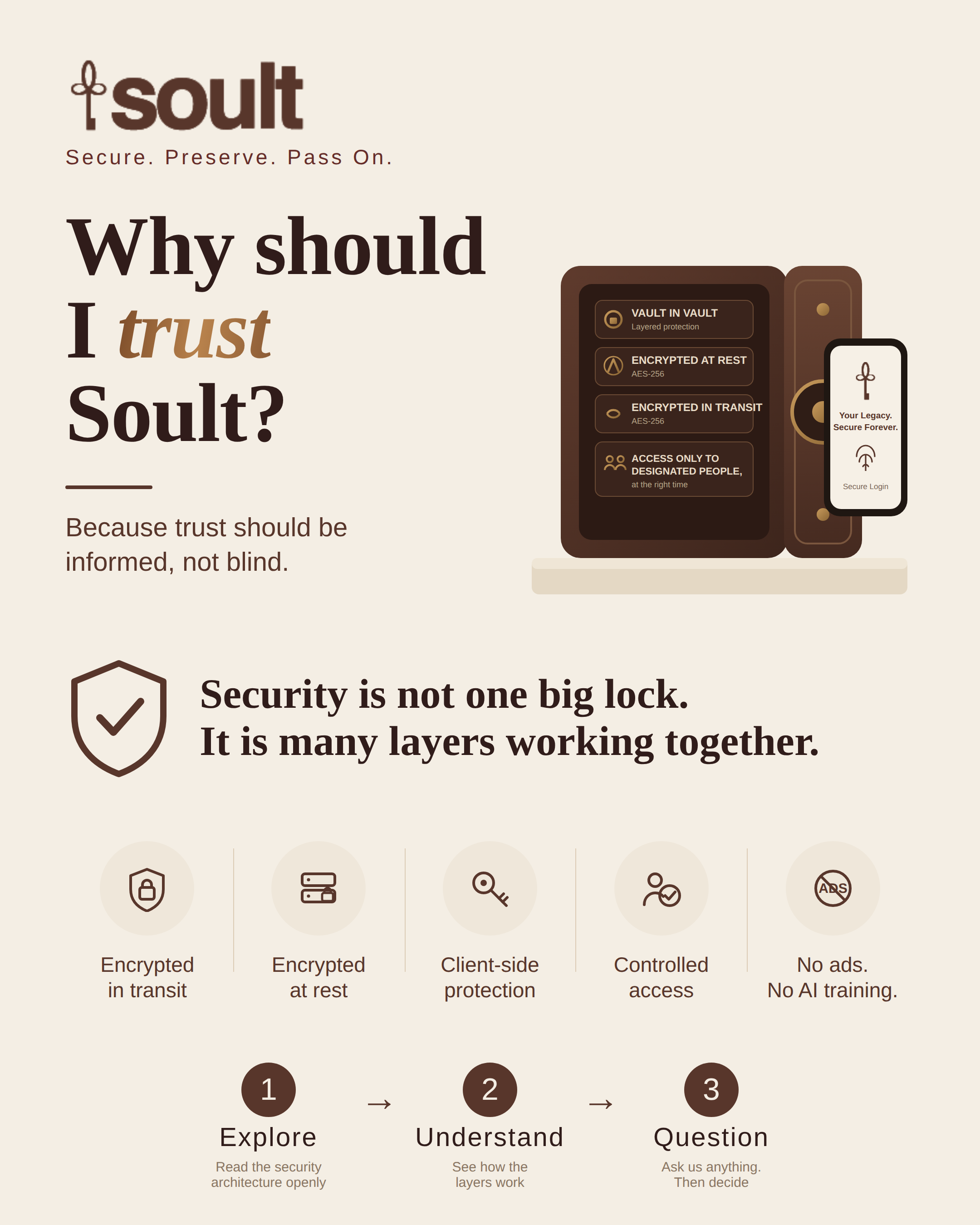
Why Should I Trust Soult? The Difference Between Familiarity and Real Digital Trust
Trust should not be blind. Learn why we ask the harder questions about familiarity vs. real trust, and how Soult is built around security, transparency, and your family's privacy.
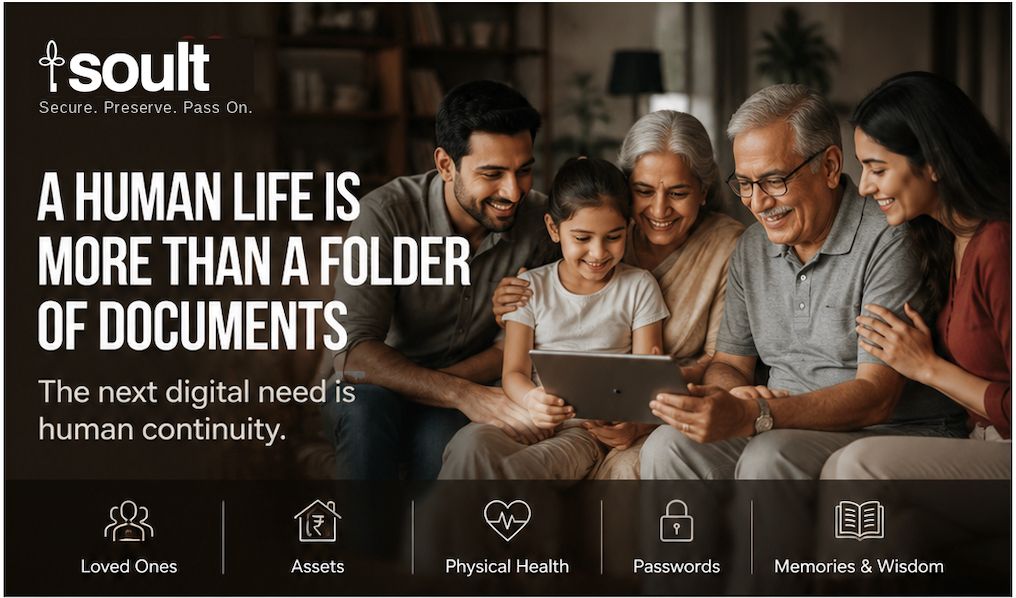
A Human Life Is More Than a Folder of Documents
Most people don't avoid documenting their lives because they don't care — they avoid it because they don't know where to begin. Why a life needs more than storage: it needs context, guidance, and continuity.
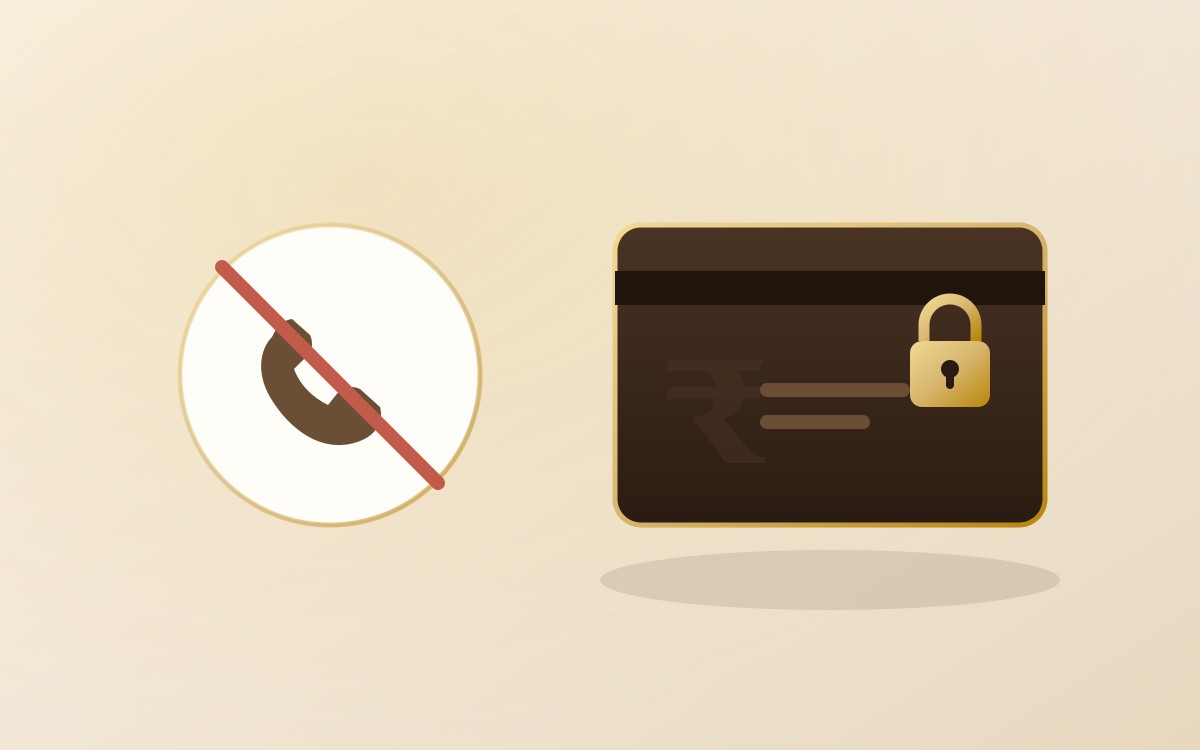
No One Calls the Nominee — What Banks, Insurers and Financial Institutions Really Do After a Death
When someone dies, banks, insurers and financial institutions don't phone the nominee — they freeze or quietly hold the money and wait. The family has to come forward, or it drifts into India's unclaimed funds. Here's how it works, and how to make sure your loved ones aren't left guessing.
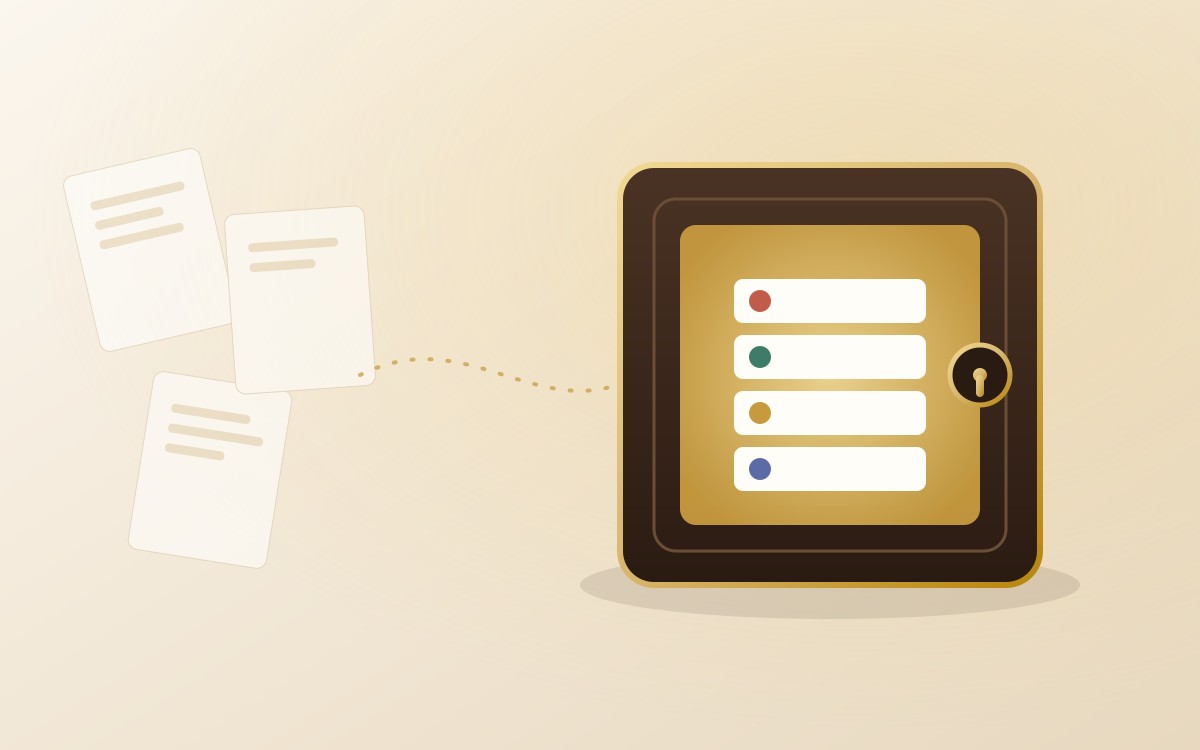
Why We Trust Google Drive and DigiLocker — And Why That Still May Not Make Our Families Prepared
We trust Google Drive and DigiLocker because they feel familiar — but familiarity is not purpose fitment, and storage is not preparedness. Here is the gap that leaves families searching, and why Soult exists to close it.

₹1.84 lakh crore is lying unclaimed. Most of it, because nobody left a trail.
Banks and insurers in India are holding over ₹1.84 lakh crore that no family has claimed — often because the people who saved it never left a map. Here's how to make sure your money never becomes a statistic.

The blank column that cost a family ₹10 lakh
A single unfilled field on an old insurance form. A spelling that didn't match. Small gaps in your records can cost your family lakhs of rupees — and years of waiting. Here's how to close them.

With a nominee, the bank has 15 days. Without one, families wait years.
The single biggest difference between a smooth handover and a years-long ordeal often comes down to one thing: whether a nominee was named. Here's why it matters so much — and how to get it right.

“I don't even know the ways around.” The conversation families keep postponing.
Too often, one person in the family knows where everything is — and everyone else is left in the dark. The most important legacy step costs nothing: a conversation, had in time.

Thirteen years of guessing: why your medical wishes need to be written down
When you can't speak for yourself, someone you love has to decide for you — often with no idea what you'd have wanted. Writing your wishes down is a gift of clarity in the hardest moment.

Two of every three civil cases in India are property fights. Here's how families avoid becoming one.
Millions of property disputes are clogging India's courts — many between people who were once family. Most of them trace back to the same root cause, and it's preventable.