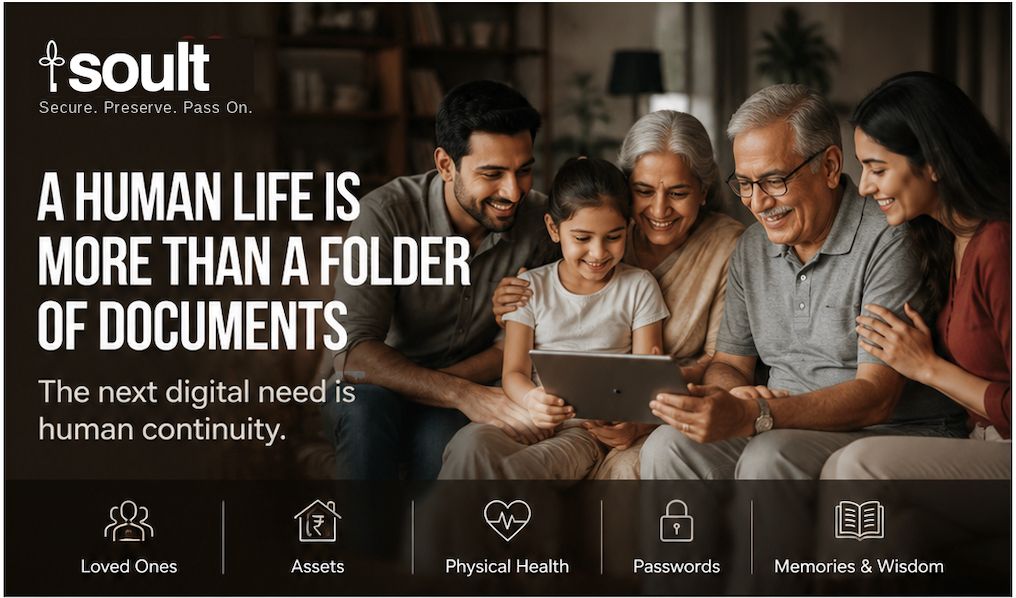
మానవ జీవితం కేవలం డాక్యుమెంట్ల ఫోల్డర్ కాదు
చాలా మంది తమ జీవితాలను డాక్యుమెంట్ చేయకుండా ఉండటానికి కారణం వారికి శ్రద్ధ లేకపోవడం కాదు — ఎక్కడ మొదలుపెట్టాలో తెలియకపోవడం వల్లే. జీవితానికి కేవలం స్టోరేజ్ కంటే ఎక్కువ ఎందుకు అవసరం: దానికి సందర్భం, మార్గదర్శకత్వం మరియు కొనసాగింపు అవసరం.
చాలా మంది తమ జీవితాలను డాక్యుమెంట్ చేయకుండా ఉండటానికి కారణం వారికి శ్రద్ధ లేకపోవడం కాదు. మానవ మనస్సు సహజంగా తక్షణ, కనిపించే మరియు అత్యవసరమైన వాటి వైపు ఆకర్షించబడుతుంది కాబట్టి వారు దానిని నివారించుకుంటారు.
మనం మన రోజులను పని, కుటుంబ బాధ్యతలు, బిల్లులు, ఆరోగ్య సమస్యలు, సందేశాలు మరియు గడువులకు ప్రతిస్పందిస్తూ గడుపుతాము. ఈ డిమాండ్లు త్వరిత మరియు కొలవదగిన ఫలితాలను ఇస్తాయి. మన ముఖ్యమైన సమాచారాన్ని క్రమబద్ధీకరించడం, మన కోరికలను నమోదు చేయడం లేదా మన జ్ఞాపకాలను భద్రపరచడం భిన్నంగా అనిపిస్తుంది. ఇది మనల్ని నెమ్మదిగా ఉండమని, అంతర్గతంగా చూసుకోమని మరియు దూరంగా అనిపించే భవిష్యత్తు కోసం సిద్ధం కావాలని అడుగుతుంది.
చిన్నతనం నుంచే, మనం ఆలోచించడం కంటే ఎక్కువగా పని చేయడానికి శిక్షణ పొందుతాము. అసైన్మెంట్లను ఎలా పూర్తి చేయాలో, అంచనాలను ఎలా అందుకోవాలో, సమస్యలను ఎలా పరిష్కరించాలో మరియు జీవనోపాధిని ఎలా సంపాదించాలో మనం నేర్చుకుంటాము. మనలో చాలా తక్కువ మందికి ఎలా ఆగి, లోతైన ప్రశ్నలు అడగాలో నేర్పించబడతారు.
నేను ఏమి నిర్మించాను?
నా కుటుంబం నాపై దేని కోసం ఆధారపడుతుంది?
నా మనస్సులో మాత్రమే ఉన్న ముఖ్యమైన జ్ఞానం ఏమిటి?
నేను అకస్మాత్తుగా ప్రతిదీ వివరించలేకపోతే ఏమి కష్టమవుతుంది?
నా తర్వాత వచ్చే వారికి సహాయపడేలా నేను ఏమి నేర్చుకున్నాను?
ఈ ప్రశ్నలు సులభం కాదు, ఎందుకంటే మానవ జీవితం ఒక ఫారమ్లో చక్కగా సరిపోదు. దీనిని బ్యాంక్ ఖాతాలు, డాక్యుమెంట్లు మరియు పాస్వర్డ్ల జాబితాకు తగ్గించలేము. మన జీవితాలు సంబంధాలు, నిర్ణయాలు, బాధ్యతలు, విలువలు, జ్ఞాపకాలు, ఆరోగ్య కోరికలు, ఆర్థిక ఆస్తులు, తప్పులు, పాఠాలు మరియు ఒకదానికొకటి అనుసంధానించబడిన వేలాది చిన్న సందర్భాలతో కూడి ఉంటాయి.
అందుకే జీవితాన్ని డాక్యుమెంట్ చేయడం ఫైల్లను అప్లోడ్ చేయడం కంటే చాలా భిన్నంగా ఉంటుంది.
మనం సమాచారాన్ని డిజిటలైజ్ చేశాము, కానీ కొనసాగింపును కాదు
గత రెండు దశాబ్దాలుగా, మన జీవితంలోని దాదాపు ప్రతి భాగం డిజిటల్ అయింది. మన డబ్బు బ్యాంకింగ్ మరియు పెట్టుబడి ప్లాట్ఫారమ్ల ద్వారా నిర్వహించబడుతుంది. మన ఫోటోలు ఫోన్లు మరియు క్లౌడ్ డ్రైవ్లలో నిల్వ చేయబడతాయి. మన కమ్యూనికేషన్ మెసేజింగ్ అప్లికేషన్లు మరియు ఇమెయిల్ ఖాతాలలో ఉంటుంది. మన ఇన్సూరెన్స్, ఆస్తి పత్రాలు, ఆరోగ్య రికార్డులు మరియు గుర్తింపు రుజువులు పోర్టల్లు, పరికరాలు మరియు భౌతిక ఫైల్లలో విస్తరించి ఉండవచ్చు.
సమాచారం ఉంది, కానీ అది ఒక అర్థమయ్యే చిత్రంగా చాలా అరుదుగా ఉంటుంది.
ఒక ఆస్తి పత్రం ఒక ఇల్లు ఎవరిదో ధృవీకరించవచ్చు, కానీ ఆ ఇల్లు ఎందుకు మానసికంగా ముఖ్యమైనదో లేదా యజమాని దానిని ఒక నిర్దిష్ట పద్ధతిలో ఎందుకు నిర్వహించాలనుకున్నారో అది వివరించకపోవచ్చు.
ఒక ఇన్సూరెన్స్ పాలసీ ఇమెయిల్ ఇన్బాక్స్లో ఉండవచ్చు, కానీ అది ఉందని, ఎక్కడ కనుగొనాలో లేదా క్లెయిమ్ ఎలా చేయాలో కుటుంబానికి తెలియకపోతే అది తక్కువ రక్షణను అందిస్తుంది.
ఒక ఫోటో ఒక ముఖాన్ని భద్రపరచవచ్చు, కానీ అది వ్యక్తుల వెనుక ఉన్న కథను, సందర్భాన్ని లేదా సంబంధాన్ని భద్రపరచకపోవచ్చు.
ఒక పాస్వర్డ్ సురక్షితంగా నిల్వ చేయబడవచ్చు, అయినప్పటికీ నిజంగా అవసరమైన వారికి శాశ్వతంగా అందుబాటులో లేకుండా పోవచ్చు.
నిజమైన సమస్య ఎల్లప్పుడూ సమాచారం లేకపోవడం కాదు. ఇది అర్థం, యాక్సెస్ మరియు ఉద్దేశ్యం నుండి సమాచారం వేరుచేయబడటం.
మనం డిజిటల్ రికార్డులను సృష్టించడంలో మంచిగా మారాము. ఒక రోజు వాటిని అవసరమైన వ్యక్తుల కోసం ఆ రికార్డులను సిద్ధం చేయడంలో మనం ఇంకా అంత మంచిగా మారలేదు.
లభ్యత అనేది సంసిద్ధతతో సమానం కాదు
మన పత్రాలు “ఎక్కడో సురక్షితంగా” ఉన్నాయని చాలా మందికి సిద్ధంగా ఉన్నట్లు అనిపిస్తుంది. అవి ఒక అల్మారాలో, క్లౌడ్ డ్రైవ్లో, ప్రభుత్వ లాకర్లో, ఇమెయిల్ ఫోల్డర్లో, బ్యాంక్ పోర్టల్లో లేదా పాత ఫోన్లో ఉండవచ్చు.
అది ఉపయోగకరమే, కానీ కుటుంబ సంసిద్ధతతో సమానం కాదు.
స్టోరేజ్ ఒక ప్రశ్నకు సమాధానం ఇస్తుంది: ఫైల్ ఎక్కడ ఉంది?
సంసిద్ధత మరికొన్నింటికి సమాధానం ఇవ్వాలి:
అది ఉందని ఎవరికి తెలియాలి?
ఎవరికి యాక్సెస్ లభించాలి?
ఎప్పుడు యాక్సెస్ అందుబాటులో ఉండాలి?
ఏ వెర్షన్ ప్రస్తుతమైనది?
ఏ చర్య తీసుకోవాలి?
ఆ వ్యక్తి ఉద్దేశ్యం ఏమిటి?
ఒక ఫోల్డర్ ఎటువంటి దిశానిర్దేశం లేకుండా డాక్యుమెంట్లను కలిగి ఉండవచ్చు. ఒక కుటుంబం సమాచారాన్ని వారసత్వంగా పొందవచ్చు మరియు ఇంకా గందరగోళంలో ఉండవచ్చు.
ఈ వ్యత్యాసం ముఖ్యమైనది, ఎందుకంటే ప్రజలు జీవితాన్ని ఫైల్ల సేకరణగా అనుభవించరు. వారు దానిని సంబంధాలు, బాధ్యతలు మరియు అర్థం ద్వారా అనుభవిస్తారు.
మనల్ని సిద్ధంగా లేకుండా ఉంచే పక్షపాతాలు
మానవులు ఎల్లప్పుడూ ప్రాముఖ్యత ఆధారంగా మాత్రమే నిర్ణయాలు తీసుకోరు. మన మనస్సులు షార్ట్కట్లను ఉపయోగిస్తాయి, మరియు ఆ షార్ట్కట్లలో కొన్ని సన్నాహాలను వాయిదా వేయడం సులభం చేస్తాయి.
బలమైన వాటిలో ఒకటి ఆశావాద పక్షపాతం. మనకు ఎల్లప్పుడూ ఎక్కువ సమయం ఉంటుందని మనం అనుకుంటాము. తీవ్రమైన అనారోగ్యం, అసమర్థత లేదా మరణం సుదూర భవిష్యత్తుకు చెందినవని మనం ఊహించుకుంటాము. ఈ నమ్మకం నిరంతర భయం లేకుండా జీవించడానికి మనకు సహాయపడుతుంది, కానీ ఇది మన కుటుంబాలను రక్షించగల సాధారణ చర్యలను ఆలస్యం చేయడానికి కూడా అనుమతిస్తుంది.
ప్రస్తుత పక్షపాతం కూడా ఒక పాత్ర పోషిస్తుంది. తక్షణ బహుమతిని అందించే చర్యలకు మనం సహజంగా ఎక్కువ ప్రాముఖ్యత ఇస్తాము. ఇమెయిల్కు ప్రత్యుత్తరం ఇవ్వడం తక్షణ ముగింపును అందిస్తుంది. పనిని పూర్తి చేయడం కనిపించే పురోగతిని సృష్టిస్తుంది. ఇన్సూరెన్స్ పాలసీని నమోదు చేయడం కుటుంబానికి సంవత్సరాల తర్వాత రక్షణ కల్పించవచ్చు, కాబట్టి మనస్సు దానిని జాబితాలో నెమ్మదిగా క్రిందికి నెట్టివేస్తుంది.
భాగస్వామ్య జ్ఞానం యొక్క భ్రమ కూడా ఉంది. ఒక వ్యక్తి తమ జీవిత భాగస్వామికి లేదా పిల్లలకు “అన్నీ తెలుసు” అని నమ్మవచ్చు. వాస్తవానికి, కుటుంబానికి కేవలం ఒక స్థూల రూపం మాత్రమే తెలిసి ఉండవచ్చు.
పెట్టుబడులు ఉన్నాయని వారికి తెలిసి ఉండవచ్చు, కానీ అవి ఎక్కడ ఉన్నాయో తెలియకపోవచ్చు.
ఇన్సూరెన్స్ ఉందని వారికి తెలిసి ఉండవచ్చు, కానీ పాలసీ నంబర్ లేదా క్లెయిమ్ ప్రక్రియ తెలియకపోవచ్చు.
ఒక విశ్వసనీయ వ్యక్తిని నామినేట్ చేశారని వారికి తెలిసి ఉండవచ్చు, కానీ ఆ నామినేషన్ యొక్క చట్టపరమైన లేదా ఆచరణాత్మక పరిమితులను అర్థం చేసుకోకపోవచ్చు.
పత్రాలు సురక్షితంగా నిల్వ చేయబడ్డాయని వారికి తెలిసి ఉండవచ్చు, కానీ ఏ వెర్షన్ ప్రస్తుతమైనదో తెలియకపోవచ్చు.
మనం సుపరిచితమైన సిస్టమ్లను కూడా విశ్వసిస్తాము, ఎందుకంటే పరిచయం సురక్షితంగా అనిపిస్తుంది. ఒక క్లౌడ్ డ్రైవ్, బ్యాంక్ పోర్టల్ లేదా ప్రభుత్వ డాక్యుమెంట్ సేవ అది సృష్టించబడిన పనిని చేయడంలో అద్భుతంగా ఉండవచ్చు. కానీ సుపరిచితమైన సాధనం ప్రతి ప్రయోజనం కోసం స్వయంచాలకంగా సరైన సాధనం కాదు.
ఒక స్టోరేజ్ ప్లాట్ఫారమ్ నిల్వ చేస్తుంది. ఒక ఆర్థిక సంస్థ ఖాతాను నిర్వహిస్తుంది. ఒక ప్రభుత్వ లాకర్ కొన్ని పత్రాలను ధృవీకరిస్తుంది లేదా కలిగి ఉంటుంది.
ఒక డిజిటల్ లైఫ్ వాల్ట్ వేరే పనిని చేయాలి. ఇది సమాచారాన్ని వ్యక్తులకు, కోరికలకు, సందర్భానికి మరియు జాగ్రత్తగా నియంత్రించబడిన భవిష్యత్ యాక్సెస్కు అనుసంధానించాలి.
ఖాళీ ఫోల్డర్ ఎందుకు సరిపోదు
ఎవరికైనా ఖాళీ డిజిటల్ ఫోల్డర్ను ఇచ్చి, వారి జీవితాన్ని డాక్యుమెంట్ చేయమని అడగడాన్ని ఊహించుకోండి.
వారు ఎక్కడ ప్రారంభించాలి? వారు తమ తల్లిదండ్రులు, జీవిత భాగస్వామి లేదా పిల్లలతో ప్రారంభించాలా? వారు ఆస్తి, ఇన్సూరెన్స్, పెట్టుబడులు లేదా పాస్వర్డ్లను నమోదు చేయాలా? వారు ఆరోగ్య సమాచారం మరియు వైద్య కోరికలను చేర్చాలా? వారు కుటుంబ సంప్రదాయాలు, వంటకాలు, కథలు మరియు వ్యక్తిగత సలహాలను భద్రపరచాలా? ఎంత వివరాలు సరిపోతాయి? ప్రతి అంశాన్ని ఎవరు చూడాలి?
ఖాళీ ఫోల్డర్ యొక్క స్వేచ్ఛ త్వరగా భారం కావచ్చు. ఒక పనికి నిర్మాణం లేదా స్పష్టమైన సరిహద్దు లేనప్పుడు, ప్రజలు దానిని తప్పుగా చేస్తారని భయపడతారు. పని అంతులేనిదిగా అనిపిస్తుంది కాబట్టి వారు దానిని వాయిదా వేస్తారు.
ప్రజలకు కేవలం స్టోరేజ్ మాత్రమే కాకుండా మార్గదర్శకత్వం ఎందుకు అవసరమో దీనికి ఒక కారణం.
ఒక ఉపయోగకరమైన లైఫ్ ప్లాట్ఫారమ్ వ్యక్తిని నిర్వచించడానికి ప్రయత్నించకుండా నిర్మాణాన్ని అందించాలి. ఇది స్పష్టమైన ప్రారంభ స్థానాలను అందించాలి, అదే సమయంలో ప్రతి వ్యక్తికి వారికి ఏది ముఖ్యమో నిర్ణయించుకోవడానికి అనుమతించాలి.
Soult లో, మనం జీవితాన్ని ఐదు అనుసంధానిత రంగాల ద్వారా చూస్తాము: ప్రియమైనవారు మరియు సంబంధాలు, ఆస్తులు, శారీరక ఆరోగ్యం, పాస్వర్డ్లు, మరియు జ్ఞాపకాలు మరియు జ్ఞానం.
ఇవి ఒక వ్యక్తిని ఐదు పెట్టెలకు తగ్గించడానికి ఉద్దేశించబడలేదు. ఇవి ఒక వ్యక్తి ప్రారంభించగల ఐదు ద్వారాలు.
ఎవరైనా ఒక ఇన్సూరెన్స్ పాలసీని జోడించడం ద్వారా ప్రారంభించవచ్చు. మరొక వ్యక్తి పిల్లల కోసం ఒక సందేశాన్ని నమోదు చేయడం ద్వారా ప్రారంభించవచ్చు. ఇంకొకరు ముఖ్యమైన ఆరోగ్య ప్రాధాన్యతను డాక్యుమెంట్ చేయవచ్చు, పాస్వర్డ్ను సురక్షితం చేయవచ్చు లేదా కుటుంబ వంటకాన్ని భద్రపరచవచ్చు.
సరైన ప్రారంభ స్థానం అంటూ ఏమీ లేదు. ముఖ్యమైన విషయం ఏమిటంటే మొదటి అడుగు సాధ్యమయ్యేలా చేయడం.
మానవ జీవితాన్ని ఒకేసారి డాక్యుమెంట్ చేయలేము
జీవిత డాక్యుమెంటేషన్ను వారాంతంలో పూర్తి చేయాల్సిన ప్రాజెక్ట్గా పరిగణించడం అతి పెద్ద తప్పులలో ఒకటి.
జీవితం స్థిరంగా ఉండదు.
సంబంధాలు మారుతాయి. కొత్త కుటుంబ సభ్యులు వస్తారు. ఆస్తులు కొనుగోలు చేయబడతాయి మరియు విక్రయించబడతాయి. ఇన్సూరెన్స్ పాలసీలు పునరుద్ధరించబడతాయి. పాస్వర్డ్లు మారుతాయి. ఆరోగ్య పరిస్థితులు అభివృద్ధి చెందుతాయి. నలభై వద్ద అర్థవంతంగా అనిపించిన నిర్ణయాలు అరవై వద్ద భిన్నంగా కనిపించవచ్చు. సమయం గడిచే కొద్దీ జ్ఞాపకాలు కొత్త అర్థాన్ని పొందుతాయి.
దీని అర్థం జీవిత రికార్డును పూర్తి చేసిన ఆర్కైవ్గా పరిగణించకూడదు. అది వ్యక్తితో పాటు పెరిగే సజీవ రికార్డుగా ఉండాలి.
Soult ఈ ఆలోచన చుట్టూ నిర్మించబడుతోంది.
ఒక వినియోగదారుడిని ఒక భారీ మరియు మానసికంగా కష్టమైన వ్యాయామాన్ని పూర్తి చేయమని అడగకుండా, ప్లాట్ఫారమ్ వారిని చిన్న చర్యల ద్వారా మార్గనిర్దేశం చేయగలదు.
ఒక ప్రియమైన వ్యక్తిని జోడించండి. ఒక ఆస్తిని నమోదు చేయండి. ఒక డాక్యుమెంట్ను అప్లోడ్ చేయండి. ఒక జ్ఞాపకాన్ని సంగ్రహించండి. ఒక పాత ఎంట్రీని సమీక్షించండి. విశ్వసనీయ వ్యక్తి ఇంకా సరైన ఎంపికేనా అని నిర్ధారించండి.
ప్రతి చర్య చిన్నదిగా అనిపించవచ్చు, కానీ అర్థవంతమైన ప్రవర్తనా మార్పు తరచుగా నిర్వహించదగినవిగా అనిపించే చర్యలతో ప్రారంభమవుతుంది.
"ఒక రోజు అన్నీ క్రమబద్ధీకరిస్తాను" అనే అస్పష్టమైన వాగ్దానం కంటే పది నిమిషాల అడుగు పడే అవకాశం ఎక్కువ. మొదటి కొన్ని ఎంట్రీలు ఉన్న తర్వాత, పని తక్కువ నైరూప్యంగా మారుతుంది. వినియోగదారు పురోగతిని చూడవచ్చు, లోపాలను గుర్తించవచ్చు మరియు ప్రారంభం నుండి ప్రారంభించకుండా తర్వాత తిరిగి రావచ్చు.
సరైన ప్రశ్నలు ఎందుకు ముఖ్యమైనవి
ఆర్థిక సమాచారాన్ని డాక్యుమెంట్ చేయడం తరచుగా సులభం, ఎందుకంటే దానికి సంఖ్యలు, తేదీలు మరియు పత్రాలు జతచేయబడి ఉంటాయి. జ్ఞాపకాలు, విలువలు మరియు వ్యక్తిగత జ్ఞానం చాలా కష్టం.
ఎవరినైనా వారి జీవిత కథను వ్రాయమని అడగండి, వారు ఖాళీ పేజీని చూస్తూ ఉండవచ్చు.
వారిని అడగండి, “మీ తండ్రి నేరుగా చెప్పకుండా మీకు ఏమి నేర్పించారు?” మరియు ఒక జ్ఞాపకం వెంటనే కనిపించవచ్చు.
అడగండి, “మీ పిల్లలు ఏ కుటుంబ సంప్రదాయాన్ని కొనసాగించాలని మీరు ఆశిస్తున్నారు?” మరియు ఒక కథ రూపుదిద్దుకోవడం ప్రారంభమవుతుంది.
అడగండి, “ఏ తప్పు మీకు చాలా నేర్పింది?” మరియు అధికారికంగా ఎప్పుడూ నమోదు చేయబడని ఒక పాఠం చివరకు పదాలను కనుగొనవచ్చు.
ప్రతిబింబం యొక్క నాణ్యత తరచుగా ప్రశ్న యొక్క నాణ్యతపై ఆధారపడి ఉంటుంది.
అందుకే మార్గదర్శకత్వం మరియు ప్రాంప్ట్లు ముఖ్యమైనవి. అవి ప్రజలు జ్ఞాపకాలను తిరిగి పొందడానికి, వారి స్వంత ఎంపికలను అర్థం చేసుకోవడానికి మరియు వారి మనస్సులలో లాక్ చేయబడి ఉండగల విషయాలను సంగ్రహించడానికి సహాయపడతాయి.
ప్రతి వినియోగదారుడిని ఆత్మకథ రాయమని బలవంతం చేయడం దీని ఉద్దేశ్యం కాదు. ప్రతి వ్యక్తికి ముఖ్యమైనవిగా వారు నమ్మే భాగాలను భద్రపరచడానికి సహాయపడటమే.
ఒక వ్యక్తి అనేక కథలు మరియు వీడియోలను నమోదు చేయవచ్చు. మరొకరు కొన్ని స్పష్టమైన సూచనలను ఇష్టపడవచ్చు. ఎవరైనా కుటుంబ చరిత్ర గురించి లోతుగా శ్రద్ధ వహించవచ్చు, ఇంకొకరు ఆర్థిక సంసిద్ధత మరియు పాస్వర్డ్లపై దృష్టి పెట్టవచ్చు.
వినియోగదారు రచయితగానే ఉండాలి.
సాంకేతికత వ్యక్తి తమ జీవితాన్ని వ్యక్తపరచడానికి మరియు క్రమబద్ధీకరించడానికి సహాయపడాలి. ఆ జీవితం అంటే ఏమిటో అది నిర్ణయించకూడదు.
ప్రోత్సాహకాలు మద్దతు ఇవ్వాలి, భయపెట్టకూడదు
ప్రజలు సన్నాహాల ప్రాముఖ్యతను అర్థం చేసుకున్నప్పటికీ, వారికి ఇంకా రిమైండర్లు అవసరం కావచ్చు. కానీ ఆ రిమైండర్లు ఎలా రూపొందించబడతాయో అది ముఖ్యం.
భయం దృష్టిని ఆకర్షించగలదు, కానీ అది ఆరోగ్యకరమైన అలవాటును చాలా అరుదుగా సృష్టిస్తుంది. ప్రతి సందేశం ఒక వ్యక్తికి మరణం లేదా విషాదాన్ని గుర్తు చేస్తే, వారు ప్లాట్ఫారమ్ను పూర్తిగా నివారించవచ్చు.
ఒక ఉపయోగకరమైన ప్రోత్సాహకం ఆచరణాత్మకంగా, గౌరవప్రదంగా మరియు ఒక చర్యకు అనుసంధానించబడి ఉండాలి.
మీ ఇన్సూరెన్స్ సమాచారం పన్నెండు నెలలుగా సమీక్షించబడలేదు. మీరు దానిని ధృవీకరించాలనుకుంటున్నారా?
మీరు ఒక ఆస్తిని నమోదు చేశారు, కానీ దాని డాక్యుమెంట్ను లింక్ చేయలేదు. మీరు ఇప్పుడు దానిని జోడించాలనుకుంటున్నారా?
మీరు కొంతకాలం క్రితం ఒక విశ్వసనీయ ఎగ్జిక్యూటర్ను జోడించారు. ఇది ఇంకా సరైన వ్యక్తేనా?
మీరు మీ తల్లి గురించి ఒక జ్ఞాపకాన్ని నమోదు చేశారు. అందులో పేర్కొన్న వంటకాన్ని మీరు జోడించాలనుకుంటున్నారా?
ప్రోత్సాహకం యొక్క పాత్ర ఆందోళనను సృష్టించడం కాదు. వారు ఇప్పటికే ముఖ్యమైనదిగా నమ్మేదాన్ని కొనసాగించడానికి ఒక వ్యక్తికి సహాయపడటం.
సంసిద్ధత అనేది కాలక్రమేణా నెమ్మదిగా నిర్మించబడిన అలవాటుగా మారాలి, భయంతో నడిచే ప్రాజెక్ట్గా భయాందోళనలో పూర్తి చేయకూడదు.
గోప్యత మొత్తం డిజైన్ను మారుస్తుంది
జీవితాన్ని డాక్యుమెంట్ చేయడం తీవ్రమైన బాధ్యతను సృష్టిస్తుంది, ఎందుకంటే ఇందులో ఉన్న సమాచారం చాలా వ్యక్తిగతమైనది.
ఇందులో ఆర్థిక ఆస్తులు, ఆరోగ్య ప్రాధాన్యతలు, పాస్వర్డ్లు, కుటుంబ సంబంధాలు, ప్రైవేట్ సందేశాలు, జ్ఞాపకాలు మరియు బహిరంగ వీక్షణకు ఉద్దేశించబడని సూచనలు ఉండవచ్చు.
అందువల్ల ఒక డిజిటల్ లైఫ్ వాల్ట్ ఒకేసారి రెండు కష్టమైన సమస్యలను పరిష్కరించాలి.
మొదట, ఇది వినియోగదారుడి సమాచారాన్ని అనధికార యాక్సెస్ నుండి రక్షించాలి, ప్లాట్ఫారమ్ను నిర్వహించే కంపెనీ ద్వారా అనవసరమైన యాక్సెస్ కూడా ఇందులో ఉంటుంది.
రెండవది, వినియోగదారు ఎంచుకున్న వ్యక్తులు దానిని పొందాలని కోరుకున్నప్పుడు సమాచారం శాశ్వతంగా కోల్పోకుండా చూసుకోవాలి.
ఈ రెండు లక్ష్యాలు వ్యతిరేక దిశలలో లాగవచ్చు.
సులభంగా తెరవగల వాల్ట్ అర్థవంతమైన గోప్యతను అందించదు. ఎవరూ ఎప్పటికీ తెరవలేని వాల్ట్ అత్యవసర సమయంలో కుటుంబాన్ని విఫలం చేయవచ్చు.
సరైన యాక్సెస్ కోసం మార్గం లేని భద్రత సంపూర్ణంగా రక్షించబడిన డెడ్ ఎండ్గా మారవచ్చు. బలమైన గోప్యత లేకుండా సులభమైన యాక్సెస్ నమ్మకాన్ని నాశనం చేయగలదు.
అందుకే ఎన్క్రిప్షన్, పాస్వర్డ్లు, ఎంచుకున్న ప్రియమైనవారు, ఎగ్జిక్యూటర్లు, నిష్క్రియాత్మకత తనిఖీలు మరియు జాగ్రత్తగా రూపొందించబడిన యాక్సెస్ షరతులు సంబంధం లేని సాంకేతిక లక్షణాలుగా చూడకూడదు. అవి ఒక మానవ వాగ్దానంలో భాగాలు:
ప్రైవేట్గా ఉన్నది ప్రైవేట్గానే ఉండాలి. ఎవరికి చేరాలో ఉద్దేశించబడినది అదృశ్యం కాకూడదు.
ఏమి నమోదు చేయబడింది, ఎవరు దానిని పొందవచ్చు మరియు ఏ షరతుల కింద యాక్సెస్ జరగవచ్చు అనే దానిపై వినియోగదారు నియంత్రణలో ఉండాలి.
ఏ బాధ్యతాయుతమైన ప్లాట్ఫారమ్ కూడా అది ఎప్పటికీ దాడి చేయబడదని అజాగ్రత్త వాదనలు చేయకూడదు. నమ్మకం పారదర్శక డిజైన్, బహుళ రక్షణ పొరలు, నిజాయితీ కమ్యూనికేషన్ మరియు నిరంతర అభివృద్ధి నుండి రావాలి.
గోప్యత కేవలం ఒక లక్షణం కాదు. అది వ్యక్తి పట్ల గౌరవం.
మరణం గురించి ప్రజలు ఆలోచిస్తూ ఉండటం దీని ఉద్దేశ్యం కాదు
ఒక లైఫ్ వాల్ట్ మరణానికి మాత్రమే సంబంధించినదిగా అనిపించవచ్చు. దానిని అర్థం చేసుకోవడానికి అది తప్పు మార్గం అని నేను నమ్ముతున్నాను.
అసంపూర్తిగా ఉన్న బాధ్యతలు మానసిక స్థలాన్ని ఆక్రమిస్తాయి.
ముఖ్యమైన పత్రాలు చెల్లాచెదురుగా ఉన్నప్పుడు, పాస్వర్డ్లు ఒక వ్యక్తి జ్ఞాపకంలో మాత్రమే ఉన్నప్పుడు, కుటుంబ సభ్యులకు ఇన్సూరెన్స్ లేదా పెట్టుబడుల గురించి తెలియకపోయినప్పుడు, మరియు వ్యక్తిగత కోరికలు చెప్పబడకుండా ఉన్నప్పుడు, ఆ అసంపూర్తి విషయాలు నిశ్శబ్దంగా నేపథ్యంలో ఉంటాయి.
వాటిని సిద్ధం చేయడం ఉపశమనాన్ని సృష్టించగలదు.
ముఖ్యమైన వాటిని నమోదు చేయండి. దానిని సరిగ్గా భద్రపరచండి. సరైన వ్యక్తులకు అనుసంధానించండి. ఆపై జీవించడానికి తిరిగి రండి.
Soult వినియోగదారులను తమ తర్వాత ఏమి జరుగుతుందో అనే ఆలోచనలలో చిక్కుకుపోకుండా ఉంచకూడదు. వారు ఇప్పుడు మరింత ప్రస్తుతంలో ఉండటానికి వీలుగా జీవితంలోని ముఖ్యమైన భాగాలను నిర్వహించడానికి ఇది వారికి సహాయపడాలి.
అదే మనకు అవసరమైన ప్రవర్తనా మార్పు.
ఏదైనా ముఖ్యమైనదిగా మారినప్పుడు, సందర్భం ఇంకా తాజాగా ఉన్నప్పుడే దాని అర్థాన్ని భద్రపరచండి.
ఒక పాలసీ కొనుగోలు చేయబడినప్పుడు, దానిని నమోదు చేయండి. ఒక కుటుంబ కథ గుర్తుకు వచ్చినప్పుడు, దానిని సంగ్రహించండి. ఒక పాస్వర్డ్ అవసరమైనప్పుడు, దానిని భద్రపరచండి. ఒక ఆరోగ్య ప్రాధాన్యత స్పష్టమైనప్పుడు, దానిని డాక్యుమెంట్ చేయండి. ఒక నిర్ణయం కుటుంబాన్ని ప్రభావితం చేసినప్పుడు, కారణాన్ని వివరించండి. అనుభవం ద్వారా జ్ఞానం సంపాదించబడినప్పుడు, అది మర్చిపోకముందే దానిని భద్రపరచండి.
ఇది సంసిద్ధతను ఒక పెద్ద భవిష్యత్ ప్రాజెక్ట్ నుండి జీవనంలో సహజమైన భాగంగా మారుస్తుంది.
Soult వెనుక ఉన్న ఆలోచన
Soult ఒక సాధారణ కానీ కష్టమైన ప్రశ్నతో ప్రారంభమైంది: సాంకేతికత ఒక వ్యక్తిని డేటాకు తగ్గించకుండా మానవ జీవితంలోని ముఖ్యమైన భాగాలను భద్రపరచడానికి ఎలా సహాయపడుతుంది?
ఒక మానవుడిని సాంకేతికత ద్వారా తిరిగి సృష్టించలేము. ఏ డిజిటల్ ప్లాట్ఫారమ్ మొత్తం ఆత్మను సంగ్రహించదు.
కానీ సాంకేతికత సందర్భాన్ని భద్రపరచగలదు.
ఇది ఒక స్వరాన్ని, ఒక సంబంధాన్ని, ఒక బాధ్యతను, ఒక ఆర్థిక రికార్డును, ఒక ఆరోగ్య కోరికను, ఒక పాస్వర్డ్ను, ఒక జ్ఞాపకాన్ని, ఒక పాఠాన్ని లేదా ఒక ముఖ్యమైన నిర్ణయం వెనుక ఉన్న వివరణను భద్రపరచగలదు.
ఇది ఒక కుటుంబానికి ఏమి మిగిలిపోయిందో మాత్రమే కాకుండా, దాని అర్థం ఏమిటో అర్థం చేసుకోవడానికి సహాయపడుతుంది.
అదే Soult వెనుక ఉన్న పెద్ద ఆలోచన.
మరొక ఫోల్డర్ కాదు. కేవలం డాక్యుమెంట్ లాకర్ కాదు. ధనవంతుల కుటుంబాల కోసం కేవలం ఎస్టేట్-ప్లానింగ్ సాధనం కాదు.
సాధారణ ప్రజలు తమకు ముఖ్యమైన వాటిని క్రమంగా సంగ్రహించడానికి, భద్రపరచడానికి మరియు అందించడానికి సహాయపడే ఒక ప్రైవేట్ డిజిటల్ లైఫ్ వాల్ట్.
ప్రతి జీవితం ఎల్లప్పుడూ పూర్తిగా డాక్యుమెంట్ చేయడానికి చాలా సంక్లిష్టంగా ఉంటుంది. అది మనం ప్రారంభించకుండా ఆపకూడదు.
ఇది మానవ సంక్లిష్టతను అర్థం చేసుకునే, మెరుగైన ప్రశ్నలు అడిగే, గోప్యతను గౌరవించే మరియు ఒక జీవిత రికార్డు ఒకేసారి ఒక అర్థవంతమైన భాగాన్ని పెరగడానికి అనుమతించే ఒక మాధ్యమాన్ని నిర్మించడానికి మనల్ని ప్రోత్సహించాలి.
ఎందుకంటే కుటుంబాలకు ఒక వ్యక్తి యొక్క ఖచ్చితమైన ఆర్కైవ్ అవసరం లేదు. నిర్మించబడిన వాటిని రక్షించడానికి, ఉద్దేశించబడిన వాటిని అర్థం చేసుకోవడానికి మరియు మర్చిపోకూడని వాటిని భద్రపరచడానికి వారికి తగినంత స్పష్టత అవసరం.
Soult — భద్రపరచండి. సంరక్షించండి. అందించండి.
Ready to secure your family's future?
Start your free Life Vault today. No credit card required.
Start Free