भारतात दावा न केलेले बँक डिपॉझिट्स कसे मिळवावे — आणि तुमच्या कुटुंबाला कधीही ते करावे लागणार नाही याची खात्री कशी करावी
भारतीय बँकांमध्ये जवळपास ₹1 लाख कोटी रुपये दावा न केलेले पडून आहेत — त्यापैकी बहुतेक फक्त विसरले गेले आहेत. RBI च्या UDGAM पोर्टल आणि DEA फंडद्वारे जुने डिपॉझिट्स कसे शोधायचे आणि दावा कसा करायचा, ते येथे दिले आहे, आणि तुमच्या कुटुंबाला कधीही हे करावे लागणार नाही याची खात्री कशी करावी.
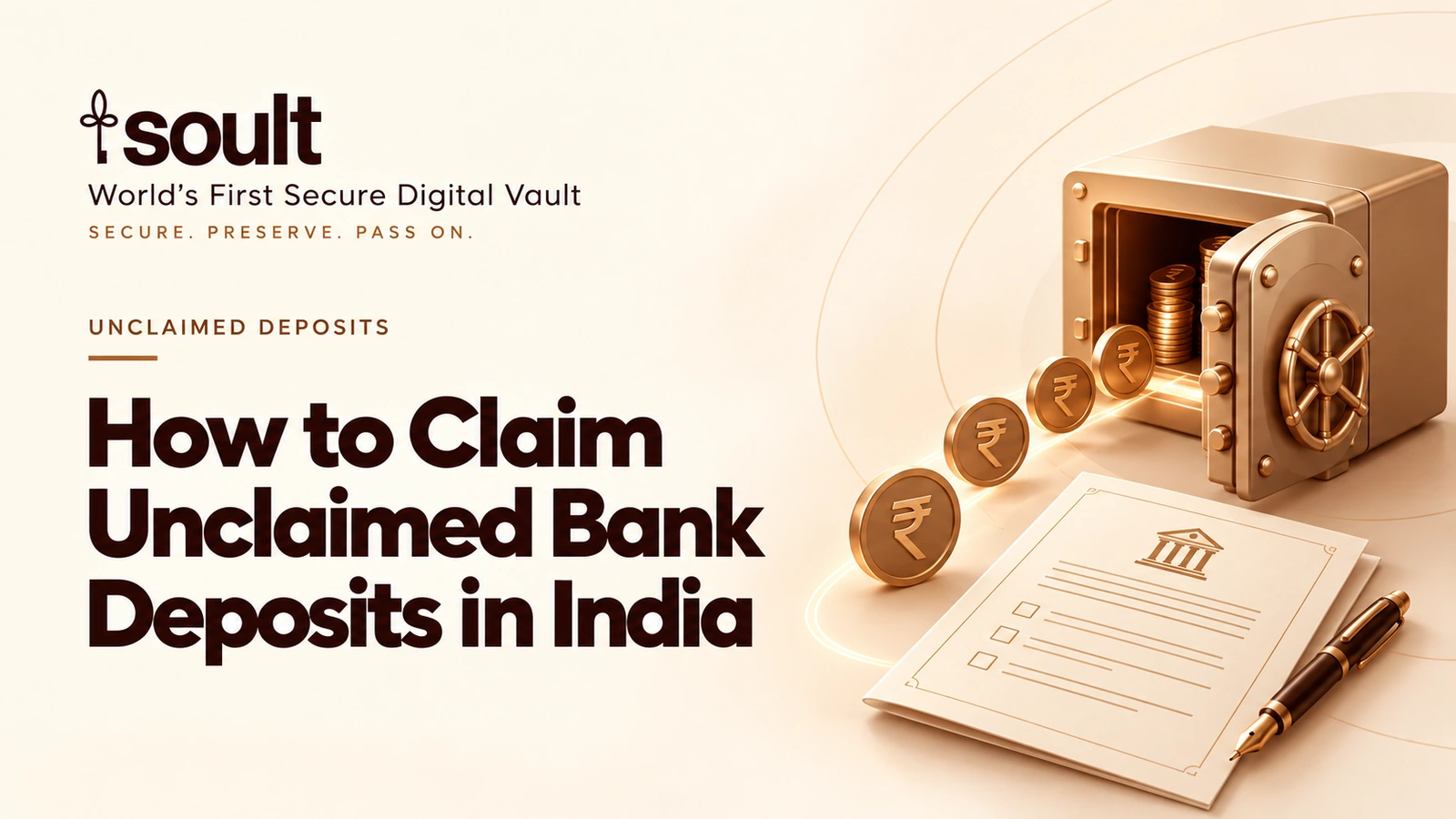
जवळपास ₹98,000 कोटी रुपये 2026 च्या सुरुवातीस भारतीय बँकांमध्ये दावा न केलेले पडून होते — अर्थ मंत्रालयाने संसदेत याची पुष्टी केली की हे पैसे 2025 च्या मध्यातील सुमारे ₹90,545 कोटींवरून 31 जानेवारी 2026 पर्यंत ₹98,073 कोटींपर्यंत वाढले होते. ही रक्कम दरवर्षी वाढतच आहे.
बहुतेक लोक जिथे चुकतात तो भाग येथे आहे: त्यापैकी बहुसंख्य पैसे कधीही फसवणूक किंवा दुर्दैवाने गमावले गेले नाहीत. ते फक्त विसरले गेले होते — पहिल्या नोकरीचे जुने सॅलरी अकाउंट, कुटुंबात काही कठीण परिस्थिती असताना मुदत पूर्ण झालेले फिक्स्ड डिपॉझिट, किंवा कोणीही उघडण्याचा विचार न केलेले ड्रॉवरमधील पासबुक.
हे दोन गोष्टींसाठी एक व्यावहारिक मार्गदर्शक आहे: जे डिपॉझिट्स आता निष्क्रिय झाले आहेत ते कसे शोधायचे आणि त्यांचा दावा कसा करायचा, आणि — सर्वात महत्त्वाचे म्हणजे — तुमच्या कुटुंबाला सुरुवातीपासूनच असे काही शोधण्याची गरज भासणार नाही याची खात्री कशी करावी.
"दावा न केलेले" म्हणजे नेमके काय?
नियम बहुतेक लोक गृहीत धरतात त्यापेक्षा अधिक विशिष्ट आहेत:
- 24 महिन्यांसाठी ग्राहकाने कोणताही व्यवहार न केलेले खाते निष्क्रिय म्हणून चिन्हांकित केले जाते. (बँकेने जमा केलेले व्याज किंवा डेबिट केलेले शुल्क मोजले जात नाही — फक्त तुम्ही पैसे हलवल्यास घड्याळ रीसेट होते.)
- कोणताही व्यवहार न झाल्यास बचत किंवा चालू खात्यातील शिल्लक 10 वर्षांनंतर दावा न केलेली बनते.
- फिक्स्ड/टर्म डिपॉझिट त्याच्या मुदतपूर्तीच्या तारखेपासून 10 वर्षांनी दावा न केलेले बनते — ते तुम्ही उघडल्याच्या तारखेपासून नाही.
त्या 10 वर्षांच्या मुदतीनंतर, बँक शिल्लक रक्कम रिझर्व्ह बँक ऑफ इंडियाद्वारे संचालित डिपॉझिटर एज्युकेशन अँड अवेअरनेस (DEA) फंड मध्ये हस्तांतरित करते.
DEA फंडमध्ये हस्तांतरित केल्याने पैशांची मालकी बदलत नाही. त्यावर दावा करण्याचा तुमचा अधिकार पूर्णपणे कायम राहतो — आणि पात्र व्याज-देणारे डिपॉझिट्स फंडमध्ये असतानाही साधे व्याज (सध्या 3%) मिळवत राहतात.
विसरलेले पैसे कुठे लपलेले असतात
कोणतेही पोर्टल शोधण्यापूर्वी, घरी शांतपणे तपासणी करा. जुनी खाती कागदपत्रांचा मागोवा सोडतात:
- जुनी पासबुक्स, चेकबुक्स आणि एफडी पावत्या — स्पष्ट दिसणाऱ्या गोष्टी, अनेकदा ड्रॉवरच्या मागील बाजूस.
- लॉकरच्या चाव्या आणि लॉकर भाड्याच्या पावत्या — भाड्याचे डेबिट थेट सक्रिय बँकिंग संबंधाकडे निर्देश करते.
- फॉर्म 26AS, AIS आणि मागील आयकर विवरणपत्रे — व्याजावर कापलेला TDS हे सूचित करते की कुठेतरी डिपॉझिट अस्तित्वात आहे.
- ईमेल आणि SMS आर्काइव्ह्ज — "स्टेटमेंट", "FD", "मॅच्युअर्ड", "OTP" आणि जुन्या बँकेच्या नावांनी शोधा.
- स्थायी सूचना (Standing instructions) — विमा प्रीमियम, SIPs आणि युटिलिटी ऑटो-डेबिट्स सर्व खात्यातून चालतात.
- ब्रोकिंग, म्युच्युअल फंड आणि विमा फोलिओ — प्रत्येकामध्ये पेआउटसाठी बँक मँडेट असते.
- बँकांच्या स्वतःच्या दावा न केलेल्या खात्यांची यादी, त्यांच्या वेबसाइटवर प्रकाशित केलेली असते.
RBI च्या UDGAM पोर्टलवर कसे शोधायचे
RBI ने UDGAM नावाचे एक मोफत पोर्टल सुरू केले आहे, जेणेकरून डिपॉझिटर्स आणि वारसदार एकाच ठिकाणी बँकांमधील दावा न केलेली खाती शोधू शकतील:
1. UDGAM पोर्टलवर नोंदणी करा आणि लॉग इन करा.
2. एक बँक, अनेक बँका किंवा सर्व बँका एकाच वेळी शोधण्यासाठी निवडा.
3. खातेधारकाचे नाव आणि पोर्टलने विचारलेली माहिती प्रविष्ट करा.
4. ते त्याच्या डेटाबेसची तपासणी करते आणि तुम्हाला कोणत्या बँकेत जुळणारे दावा न केलेले खाते आहे हे सांगते.
UDGAM बँकेची ओळख पटवते — ते शिल्लक रक्कम देत नाही. अचूक रक्कम आणि प्रत्यक्ष दावा ऑफलाइन निकाली काढला जातो, ज्या शाखेत खाते होते तिथे.
पैशांवर दावा करणे
जर खातेधारक जिवंत असेल: हे सहसा सोपे असते — नवीन KYC पूर्ण करा आणि बँक खाते पुन्हा सक्रिय करते.
जर खातेधारक मरण पावला असेल, तर ते मृत्यू दावा सेटलमेंट बनते, आणि ते किती सहज होते हे जवळजवळ एका गोष्टीवर अवलंबून असते — नॉमिनी होता की नाही.
- नॉमिनी असल्यास: हा सर्वात सोपा मार्ग आहे. बँकिंग रेग्युलेशन ॲक्ट, 1949 च्या कलम 45ZA अंतर्गत, नॉमिनी त्या डिपॉझिटसाठी डिपॉझिटरच्या अधिकारांमध्ये येतो. बँकेने उत्तराधिकार प्रमाणपत्र (succession certificate), प्रोबेट (probate) किंवा नुकसानभरपाई (indemnity) मागू नये — सामान्यतः त्यांना फक्त मृत्यू प्रमाणपत्र आणि नॉमिनीचे KYC आवश्यक असते.
- नॉमिनी नसल्यास, लहान रक्कम: अनेक बँका एका विशिष्ट मर्यादेपर्यंत सरलीकृत सेटलमेंटला परवानगी देतात — सहसा दावा फॉर्म, मृत्यू प्रमाणपत्र आणि नुकसानभरपाई बाँड, कधीकधी शपथपत्र (affidavit) किंवा साधी कौटुंबिक घोषणापत्र.
- नॉमिनी नसल्यास, मोठी रक्कम: बँक सामान्यतः सक्षम प्राधिकरणाकडून उत्तराधिकार प्रमाणपत्र (succession certificate) किंवा कायदेशीर वारस प्रमाणपत्र (legal-heir certificate) मागेल.
- जेथे इच्छापत्र (Will) आहे, तेथे बँकेला प्रोबेट (probate) आवश्यक असू शकते; जेथे एखादी व्यक्ती इच्छापत्राशिवाय मरण पावली आणि मोठी रक्कम मागे ठेवली, तेथे वारसदारांना अनेकदा न्यायालयाकडून प्रशासनाचे पत्र (letters of administration) आवश्यक असते.
दुसऱ्या शब्दांत सांगायचे तर: दोन-कागदपत्रांची औपचारिकता आणि अनेक महिने चालणारी न्यायालयीन प्रक्रिया यातील फरक अनेकदा फक्त नॉमिनीचे नाव दिले होते की नाही यावर अवलंबून असतो. हे आज पूर्णपणे तुमच्या नियंत्रणात आहे.
खरा धडा
प्रत्येक दावा न केलेल्या डिपॉझिटमध्ये काय साम्य आहे ते लक्षात घ्या. पैसे कोणाच्या निष्काळजीपणामुळे गायब झाले नाहीत — ते गायब झाले कारण त्याची नोंद एका व्यक्तीच्या आठवणीत, किंवा ड्रॉवरमध्ये, किंवा इतर कोणीही पोहोचू शकत नसलेल्या इनबॉक्समध्ये होती. UDGAM एक अद्भुत सुरक्षा जाळे आहे, पण ती एक अशी शोधमोहीम आहे जी गोष्टी बिघडल्यानंतरच तुम्ही चालवता.
यावर अधिक चांगला उपाय म्हणजे तुमच्या कुटुंबाला UDGAM ची कधीच गरज भासणार नाही याची खात्री करणे.
याचा अर्थ असा की प्रत्येक खाते, फिक्स्ड डिपॉझिट, विमा पॉलिसी, गुंतवणूक फोलिओ — आणि प्रत्येकासाठी नॉमिनीचे तपशील — एकाच ठिकाणी लिहून ठेवलेले असावेत आणि तुम्ही निवडलेल्या लोकांना, त्यांना खऱ्या अर्थाने गरज असताना ते उपलब्ध असावेत. पासबुक्स आणि इनबॉक्समध्ये विखुरलेले नसावेत. हेतुपुरस्सर, एका सुरक्षित ठिकाणी व्यवस्थित केलेले असावेत.
हेच Soult कशासाठी बनवले आहे: तुमच्या कुटुंबाच्या आवश्यक गोष्टी — पैसे, कागदपत्रे आणि त्यांच्याशी संबंधित इच्छा — एका खाजगी, एन्क्रिप्टेड वॉल्टमध्ये ठेवल्या जातात, जेणेकरून तुम्ही कमावलेल्या कोणत्याही गोष्टीसाठी कधीही शोध घ्यावा लागणार नाही.
आता शांतपणे एक दुपार काढून हे सर्व व्यवस्थित करणे, नंतर कोणत्याही पोर्टलवर शोध घेण्यापेक्षा अधिक मौल्यवान आहे.
अधिकृत साधने आणि स्रोत: RBI चे UDGAM पोर्टल हे बँकांमधील दावा न केलेले डिपॉझिट शोधण्यासाठी एक विनामूल्य, अधिकृत मार्ग आहे. रिझर्व्ह बँक ऑफ इंडिया DEA फंडाची संरक्षक आहे, आणि ₹98,073 कोटींचा आकडा अर्थ मंत्रालयाच्या राज्यसभेतील निवेदनातून (जानेवारी 2026) घेतला आहे. नियम आणि मर्यादा बदलतात — नेहमी तुमच्या बँकेकडे किंवा rbi.org.in वर सध्याची स्थिती तपासा.
---
हा लेख केवळ सामान्य माहितीसाठी आहे. हा कायदेशीर, कर किंवा आर्थिक सल्ला नाही. दावा न केलेल्या डिपॉझिट्सचे नियम, मर्यादा आणि कार्यपद्धती बदलतात आणि बँकेनुसार भिन्न असतात — तुमच्या बँकेकडे सध्याची स्थिती तपासा आणि तुमच्या विशिष्ट परिस्थितीसाठी पात्र व्यावसायिकाचा सल्ला घ्या. Soult तुम्हाला तुमची माहिती व्यवस्थित करण्यास आणि संग्रहित करण्यास मदत करते; ती बँक नाही आणि डिपॉझिट दाव्यांवर प्रक्रिया करत नाही.
Ready to secure your family's future?
Start your free Life Vault today. No credit card required.
Start Free